Technical Guide

Grease Trap Sizing for Restaurants and Commercial Kitchens

Grease trap sizing is a planning problem before it is an equipment problem. Seats, takeout meals, menu, utensils, fixtures, pump frequency, available space, and jurisdictional review all shape the answer.

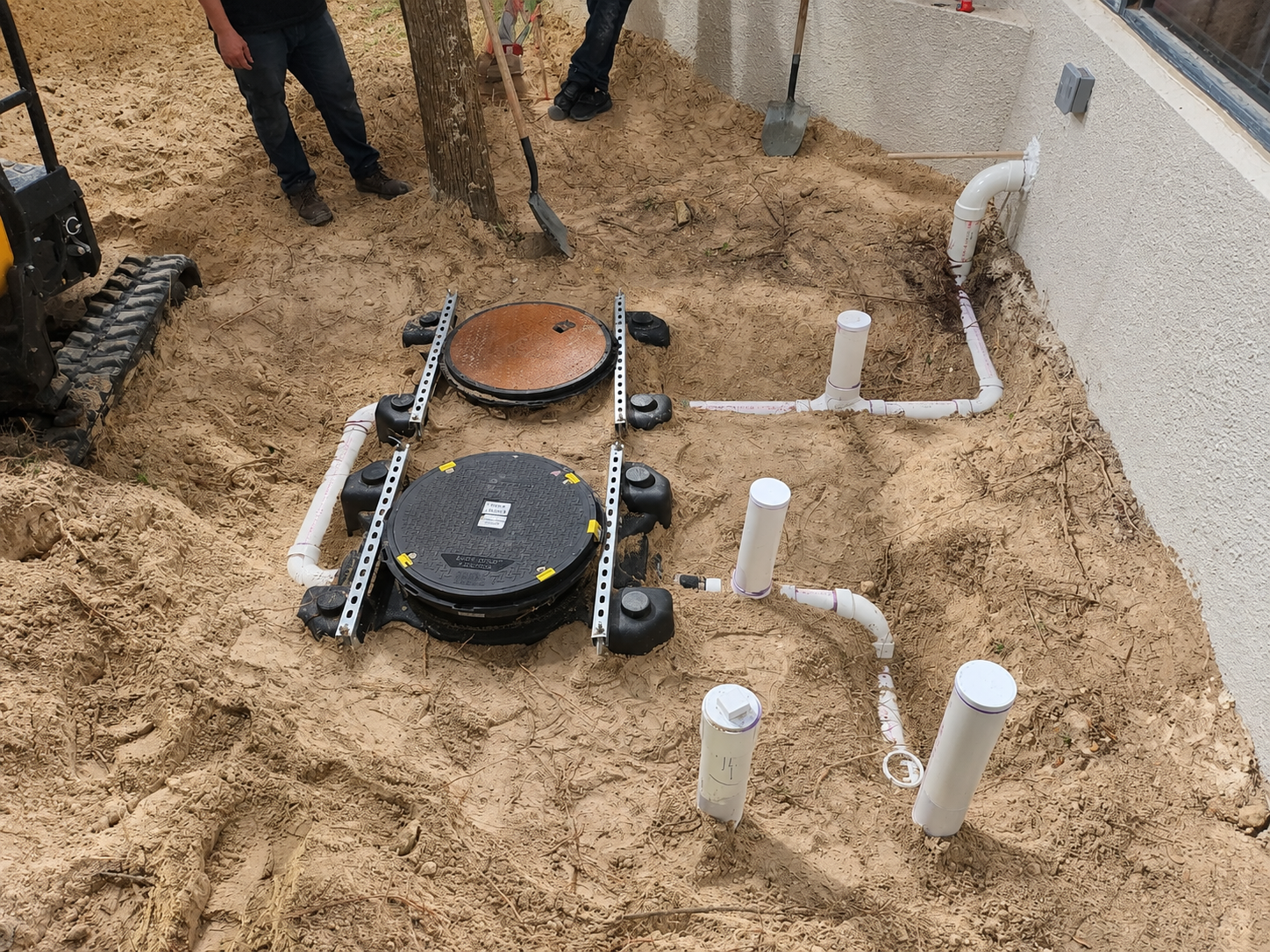
Commercial grease trap installation project photo used for sizing discussion
Project conditions, not just math, can affect final interceptor selection.

How To Think About Size

A useful estimate starts with the business model.

The Genesis calculator asks for seats, turns per seat, takeout meals, food or establishment type, utensil type, and pump frequency. Those inputs help estimate the grease load between pump-outs. The tool then compares the calculated load to listed model capacity and displays a preliminary recommendation.

That is only the beginning. A final design may depend on fixture schedules, plumbing layout, invert elevations, local code, manufacturer requirements, Authority Having Jurisdiction review, available space, traffic rating, service access, and whether one interceptor or multiple devices are appropriate. This page supports the calculator, not a replacement for engineering review.

Calculator Demonstration

See the Genesis grease trap sizing calculator in action.

This video walks through a commercial restaurant example and shows how seating, takeout meals, food-service characteristics, FOG generation, pump frequency, grease capacity, and flow rate connect to a preliminary recommendation.

Sizing Questions

How a preliminary grease trap size becomes a project-specific decision.

How commercial grease interceptors are sized

A useful sizing discussion starts with the operation, then layers in meals, takeout volume, FOG characteristics, utensils, pump-out frequency, fixture demand, flow rate, space, and local review requirements.

Why seating alone is not enough

Seat count can miss fast turns, takeout-heavy kitchens, catering, dishwashing, menu changes, and future expansion. Two restaurants with the same seats can create very different grease loads.

Restaurant type and FOG generation

A coffee shop, sushi counter, full-service restaurant, fried-food kitchen, bakery, and hotel kitchen can each produce different FOG patterns. The calculator uses food-service categories to keep that assumption visible.

Pump-out frequency affects capacity

Less frequent pump-outs generally require more storage capacity between service visits. Maintenance planning should be part of the sizing conversation, not an afterthought.

Grease capacity is not the same as flow rate

Capacity addresses grease storage. Flow rate addresses wastewater movement through the device. A final equipment selection may need both numbers reviewed with the fixture layout and manufacturer information.

Existing restaurant systems can be misleading

A prior tenant may have had a different menu, lower volume, fewer fixtures, or older approval conditions. Before signing a lease or buying equipment, review whether the existing interceptor matches the new operation.

Use the Tool

Turn sizing assumptions into a calculator report.

Use the actual calculator when you need a preliminary estimate, then move to Genesis review when the result affects a lease, permit, equipment purchase, replacement decision, or installation budget.

Use the Commercial Grease Trap Size Calculator

Key Concepts

The sizing conversation has more than one number.

FOG assumptions

Food service type matters because a sushi counter, coffee shop, full-service restaurant, fried chicken kitchen, and steak-and-seafood restaurant can have different grease characteristics.

Meals and turns

Seating capacity alone can be misleading. Turns per seat and takeout meals can change the estimated daily load.

Grease capacity

Capacity relates to how much grease the unit can hold between pump-outs. Pump frequency affects how much accumulation the system must tolerate.

Flow rate

Flow rating is a separate equipment issue from grease storage. It can matter when fixtures, dishwashing, or simultaneous discharge are reviewed.

Maintenance access

A theoretically correct unit can become a bad operational choice if pump access, covers, risers, or traffic conditions make maintenance difficult.

Jurisdictional review

Local authorities, designers, manufacturers, and inspectors may require information that goes beyond a web calculator.

Before You Choose A Model

Ask what could change the recommendation in the field.

  • Will the kitchen add a dishwasher, prep sink, fryer, wok, bakery equipment, or expanded takeout line?
  • Is the interceptor outside, inside, under slab, under asphalt, or in a traffic-rated area?
  • Can pump trucks reach the covers without blocking customers, deliveries, emergency access, or neighboring tenants?
  • Are multiple food service users sharing one system?
  • Are there existing records for pipe elevations and fixture connections?
  • Has an agency, landlord, or design professional already commented on sizing?

Input Quality

The calculator is only as useful as the assumptions entered.

Owners should avoid entering the smallest possible version of the business just to obtain a smaller result. A practical sizing discussion should reflect the likely menu, seating turnover, takeout volume, utensil type, pump frequency, and fixture demand. If the restaurant may expand hours, add a dish machine, change from coffee service to cooking, or add catering, those plans should be disclosed before the project team relies on a preliminary recommendation.

Capacity and flow rate should also be kept separate in the conversation. Grease capacity relates to storage between pump-outs, while flow rate relates to how wastewater moves through the device. A field review can reveal constraints that a calculator cannot see, including pipe elevations, tank depth, service access, traffic loading, and whether multiple interceptors or a different configuration should be reviewed by the design team.

Primary Tool

Run the calculator, then send the report for review.

The calculator organizes your food-service assumptions into a preliminary report you can share with Genesis for review.

Use the Commercial Grease Trap Size Calculator