Undersized system
The business demand, menu, seating, takeout volume, fixture load, or pump schedule may exceed what the existing unit can reasonably handle.
Existing Systems
When an existing interceptor is too small, damaged, difficult to maintain, repeatedly causing issues, or no longer accepted for the business use, replacement needs a field-driven plan.
Replacement Triggers
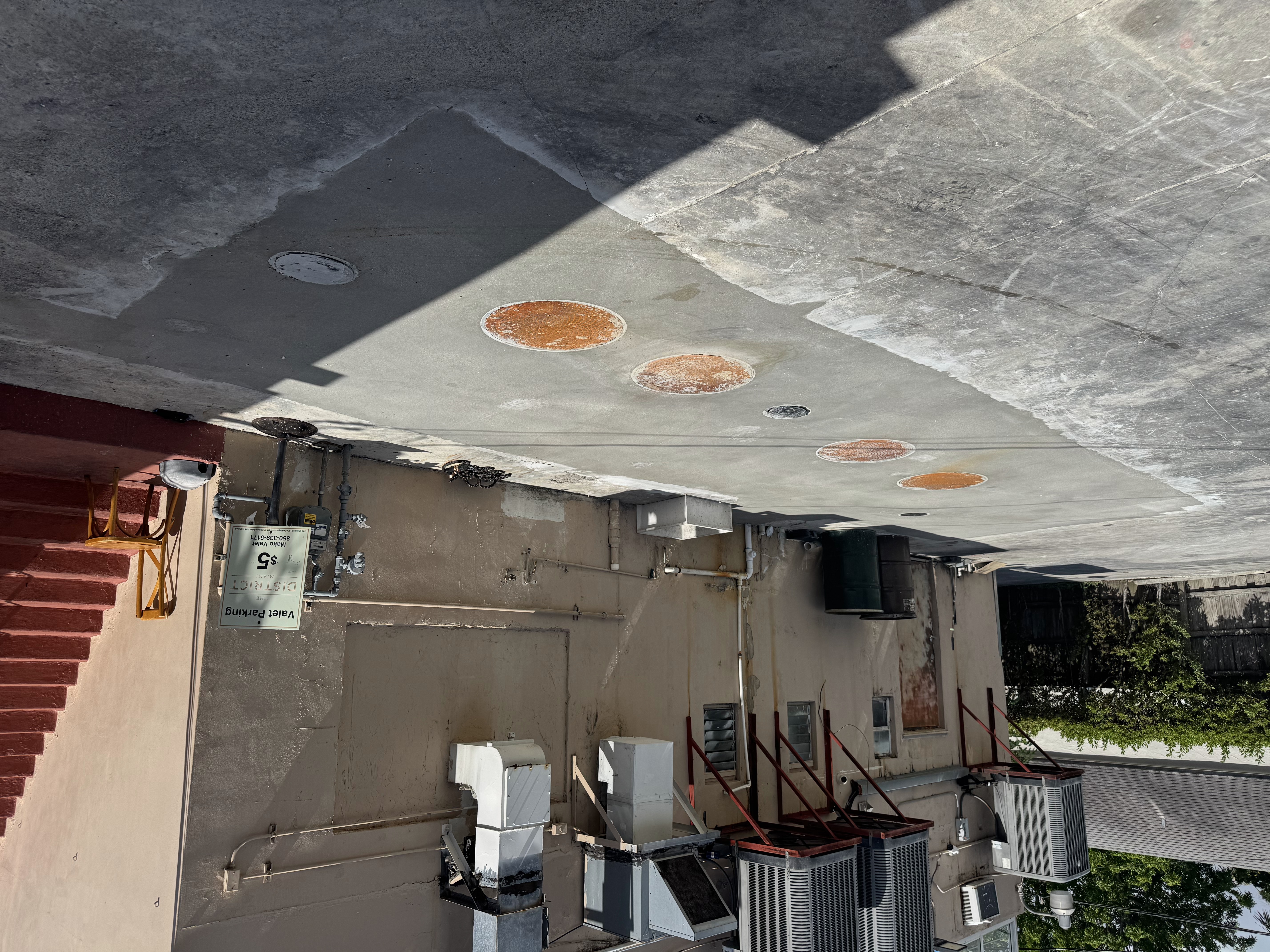
Existing grease traps are often discovered during lease review, restaurant buildout, change of use, a DERM or municipal comment, a plumbing backup, or a pump-out problem. The system may look usable because covers exist, but the useful questions are deeper: what size is it, what fixtures connect to it, what condition is the tank in, where does it discharge, can it be pumped, and does the proposed business fit the system?
Genesis Prime Group evaluates replacement as both a compliance and construction issue. The scope may involve locating the existing interceptor, reviewing maintenance access, exposing buried piping, coordinating bypass or downtime, removing damaged components, setting a new interceptor, restoring concrete or pavement, and helping the owner close out the work with the required parties.
Common Conditions
The business demand, menu, seating, takeout volume, fixture load, or pump schedule may exceed what the existing unit can reasonably handle.
Older tanks, lids, risers, baffles, piping, or access covers may be cracked, corroded, damaged, unsafe, or difficult to service.
A unit that cannot be pumped or inspected properly can become a recurring operational and compliance problem.
A coffee shop, bakery, full-service restaurant, market, school, or hotel kitchen can have very different FOG characteristics.
Operational symptoms can point to sizing, maintenance, piping, venting, or physical failure issues that need diagnosis before replacement.
Replacement may become part of resolving comments, lease requirements, construction documents, or tenant improvement approvals.
Replacement Planning
The free calculator can help compare the proposed food service demand to a preliminary recommendation. It should be treated as an early planning tool, not final approval.
Run CalculatorEvaluation Before Replacement
Some existing systems can be reused after review. Others should not be trusted for a new food service use. Genesis' evaluation should separate visible convenience from actual suitability: known capacity, inlet and outlet condition, baffle condition, cover rating, riser height, structural integrity, access for pump trucks, fixture connections, history of backups, and whether the system aligns with the proposed menu and operating hours.
If the system is buried under pavement or slab, there may be cost in simply confirming what exists. That investigation can still save money before a tenant commits to a lease, because a hidden replacement requirement can change the economics of a restaurant buildout. When replacement is needed, the construction plan should address temporary operations, demolition, disposal, new interceptor setting, pipe tie-ins, inspection schedule, backfill, compaction, and restoration of the surface that customers, employees, or delivery vehicles use every day.
Replacement vs. Maintenance
Pump frequency matters, but frequent pumping cannot fix every condition. Repeated service calls may point to undersizing, poor access, damaged internals, bad inlet/outlet elevations, downstream restrictions, or a change in food use. Before spending money on replacement, Genesis should review the maintenance history and symptoms. Before spending more money on maintenance, owners should ask whether the system is physically capable of supporting the current kitchen.
Next Step
Share the address, photos, maintenance history, and the proposed use so Genesis can determine the right next step.